

Did you know that the traditional recipe for chai did not even include tea leaves? For many of us, a cup of strong, sweet, spiced tea is the comforting start to the day or a necessary afternoon ritual. But the drink we now know as masala chai actually has a long, complex history that mirrors the growth and change of India itself. Understanding the history of chai means understanding how medicine, trade, and even colonial influence shaped a regional herb blend into the sweet, milky beverage adored worldwide today. Let’s trace the fascinating journey of this beloved drink.
The Ancient Origins: From Ayurvedic Medicine to Herbal Decoction
Before the arrival of tea leaves in India, the combination of spices we associate with chai was used as an Ayurvedic healing drink. This ancient system of medicine focused on using natural ingredients to balance the body, and early chai was essentially a herbal decoction—a caffeine-free mixture of spices, roots, and milk.
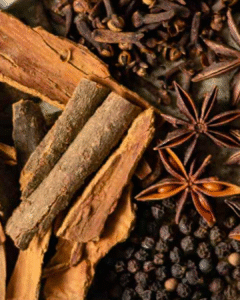
This original spiced concoction served as a warming remedy, using ingredients that were readily available and known for their medicinal properties. The foundation of authentic Indian tea lies in this careful selection of spices, each serving a purpose for both flavour and traditional wellness, and it is this careful selection that distinguishes masala chai from plain tea. Ginger was known for its warming properties and ability to aid digestion, while Cardamom, or Elaichi, added a complex, sweet floral aroma and flavour. Cinnamon, known as Dalchini, offered sweetness and a woodsy, warm note, and Clove, or Laung, provided a strong, pungent warmth. Black Peppercorn, or Kali Mirch, gave the drink a subtle, spicy kick that rounded out the blend beautifully.
These early blends were quite different from the sweet, milky tea we know today, showing us that the core tradition was always about flavour and warmth rather than caffeine. The true transformation began much later, thanks to commercial interests.
The Colonial Catalyst: The Birth of Masala Chai
The turning point in the history of chai came with the establishment of tea plantations in India by the British East India Company in the mid-19th century. Initially, the British focused on growing tea to compete with China’s monopoly on the global tea trade, primarily cultivating the native Assam tea plant.
At first, tea was a luxury item mainly consumed by Westernised Indians and British residents. However, by the early 20th century, the British-run Indian Tea Association began promoting tea consumption locally to grow their market. The widespread adoption of tea across India was an intentional, decades-long promotional campaign designed to sell the product by making it affordable and desirable for the average Indian worker.
The Indian Tea Association incentivised factory owners and railway stations to offer tea breaks to workers, subsidising tea vendors at railway stations and in industrial areas. To stretch the expensive tea leaves and make the drink more economical and palatable, vendors began using a high ratio of cheap milk and sugar while adding the traditional Ayurvedic spices. This practice led directly to the creation of the masala chai recipe we recognise today: tea leaves, milk, sugar, and the traditional spices all boiled together.
A National Institution: Chai on the Railways and the Role of the Chaiwala
The Indian railway network played an immense role in chai’s evolution into a national drink. Train journeys were long, and the chaiwala became a familiar and welcomed sight on platforms and in carriages, selling cups of warm, spiced tea. This constant availability solidified chai as the country’s most democratic beverage, enjoyed by everyone from labourers to executives.
The street chaiwala developed and refined the brewing process—boiling the tea, milk, and spices together for a long time to create a strong, concentrated flavour, often known as “karak” or strong tea. You can learn more about this popular style of Indian tea. The local chaiwala is more than just a vendor; they are a community fixture, a provider of comfort, and a guardian of the craft. Their preparation is key, using simple but highly effective methods such as repeatedly pulling the tea mixture high above their heads and pouring it back into the pot, a process that aerates the tea and gives it that signature frothy finish. The chai stall often acts as a place for informal meetings, lively conversations, and a much-needed break from the stress of the day.
Chai Today: Global Sensation and Cultural Cornerstone
In the late 20th and early 21st centuries, chai began its journey around the world. As Indian diaspora communities settled abroad, they brought their love for traditional drinks with them, and soon specialty cafés and coffee shops started noticing the drink’s appeal. The global market often simplified the term, with “Chai Tea Latte” becoming a common menu item—a redundant phrase since chai already means “tea”—but regardless of the terminology, this global acceptance speaks to the powerful, universal comfort found in that sweet and spicy blend. Today, you can find a variation of Indian tea in nearly every major city, along with modern takes on the classic such as the Dirty Chaii, which brings together the bold flavour of Karak Chaii and the richness of Karak Coffee in one energising cup.
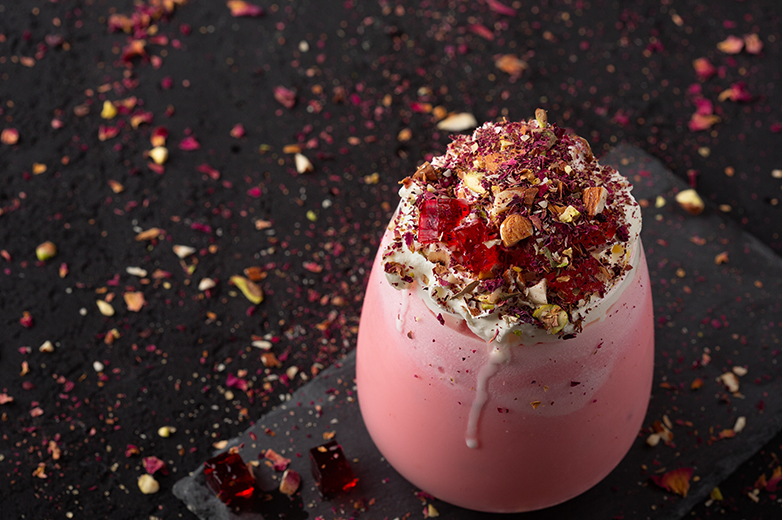
Chai is now an essential part of Indian social and domestic life. It is the first thing offered to a guest, a non-negotiable part of the afternoon, and the backdrop to almost every conversation. It is a symbol of hospitality, friendship, and everyday ritual—the glue that holds social interactions together, slowing down the pace, encouraging connection, and offering warmth no matter the weather or circumstance. The act of sharing a cup of chai remains a deeply ingrained cultural gesture that speaks volumes about welcome and community. For those who enjoy something a little different, the Pink Chaii, a Kashmiri-inspired variant infused with vanilla and signature fragrant spices, offers a truly unique and memorable experience.
While Western versions of chai often rely on pre-mixed syrups and powders, the true beauty of masala chai lies in its fresh, whole spices and the proper method of brewing. When you drink authentic chai, you are tasting centuries of Ayurvedic knowledge, colonial trade, and local innovation all in one cup. For more ways to enjoy chai, explore our full menu.
At Chaiiwala of London, we are committed to honouring this incredible journey. We meticulously select and brew our spices and tea leaves to bring you an authentic experience, and our goal is to serve you the genuine taste of Indian tea that has been perfected over generations. We strive to share the warmth and welcoming spirit of the chaiwala tradition with everyone who visits us at our Indian Restaurant.
What memory does the smell of authentic masala chai bring back for you?